8K Ultrasound vs Real Baby: How Close Is the Match?
January 31, 2026Updated April 23, 2026
You've seen 8K ultrasound images floating around online and they look incredible—almost like newborn photos. But do babies actually end up looking like their 8K portraits? That's the question every parent asks before uploading their scan. Here's an honest look at how close the match really is.
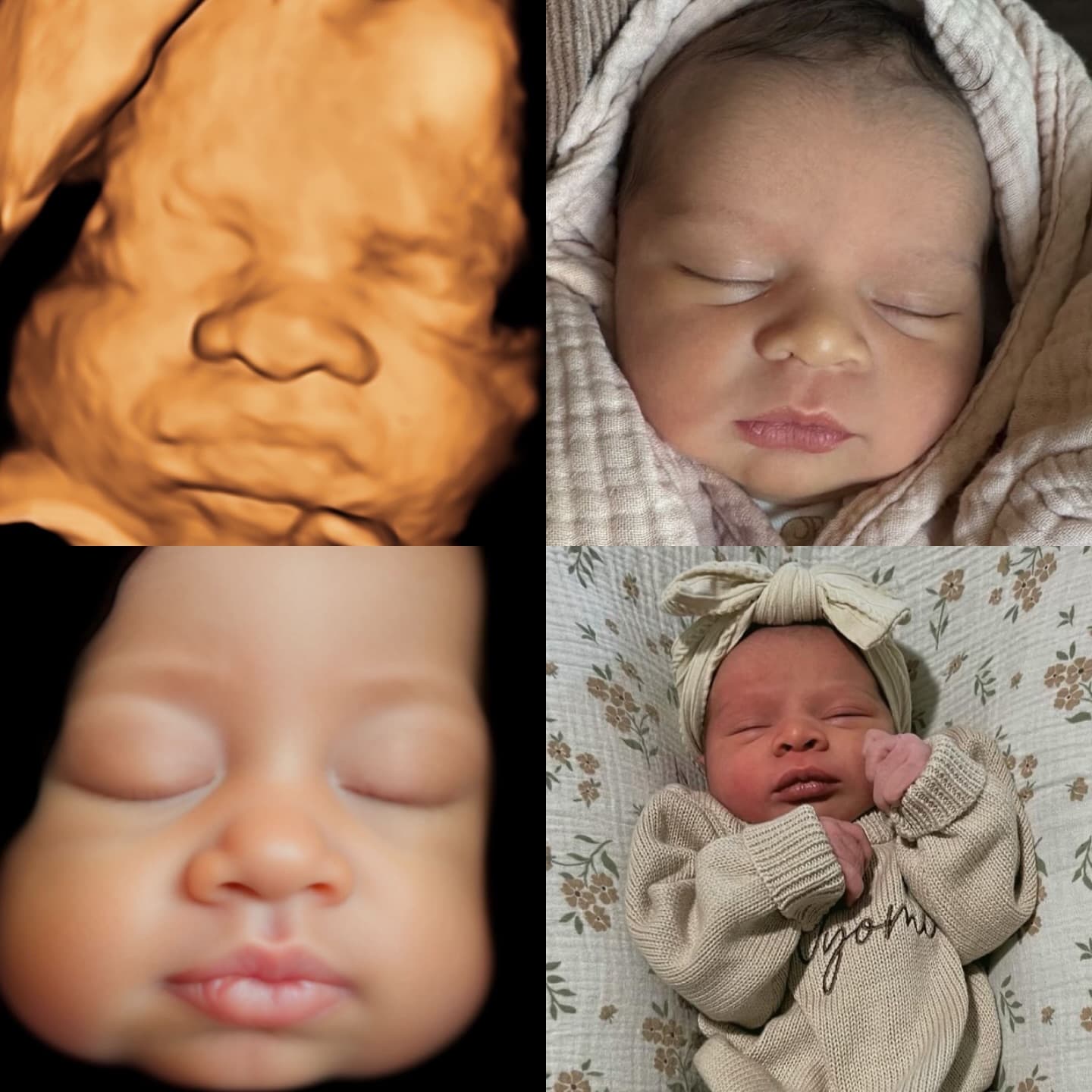
What 8K Gets Right
An 8K ultrasound enhancement works from your actual 3D scan, so the facial structure is real data. The shape of your baby's forehead, the width of the cheeks, the contour of the chin, the spacing between features—all of this comes directly from the ultrasound geometry. These structural features tend to match the newborn closely because they're measurements, not guesses.
Many parents report that the overall "vibe" of their 8K image—the general face shape and proportions—is recognizably their baby when they compare it to newborn photos.
What 8K Has to Guess
The details that make the image look photorealistic—skin tone, eye color, eyelashes, hair, and lip color—aren't in the ultrasound data. These are generated by AI based on parental features you provide (ethnicity, hair color, etc.). They're informed predictions, not measurements.
A 2025 critical review found that AI-enhanced ultrasound images match the real baby approximately 70% of the time. That's well above random chance, but it means roughly 1 in 3 images may differ noticeably from the actual newborn—usually in coloring details rather than facial structure.
Factors That Affect Accuracy
- Scan quality. A clear 3D scan at 28–32 weeks gives AI the best foundation. Blurry or early scans produce less accurate results.
- Baby's position. If your baby was facing forward with space around the face, the 3D geometry will be more accurate than a profile or pressed-against-the-wall pose.
- The nose factor. 3D ultrasounds tend to make noses appear wider than they are. The 8K enhancement may carry this distortion into the final image.
- Genetic surprises. Two dark-haired parents can have a blonde baby. AI can't predict which recessive genes will express.
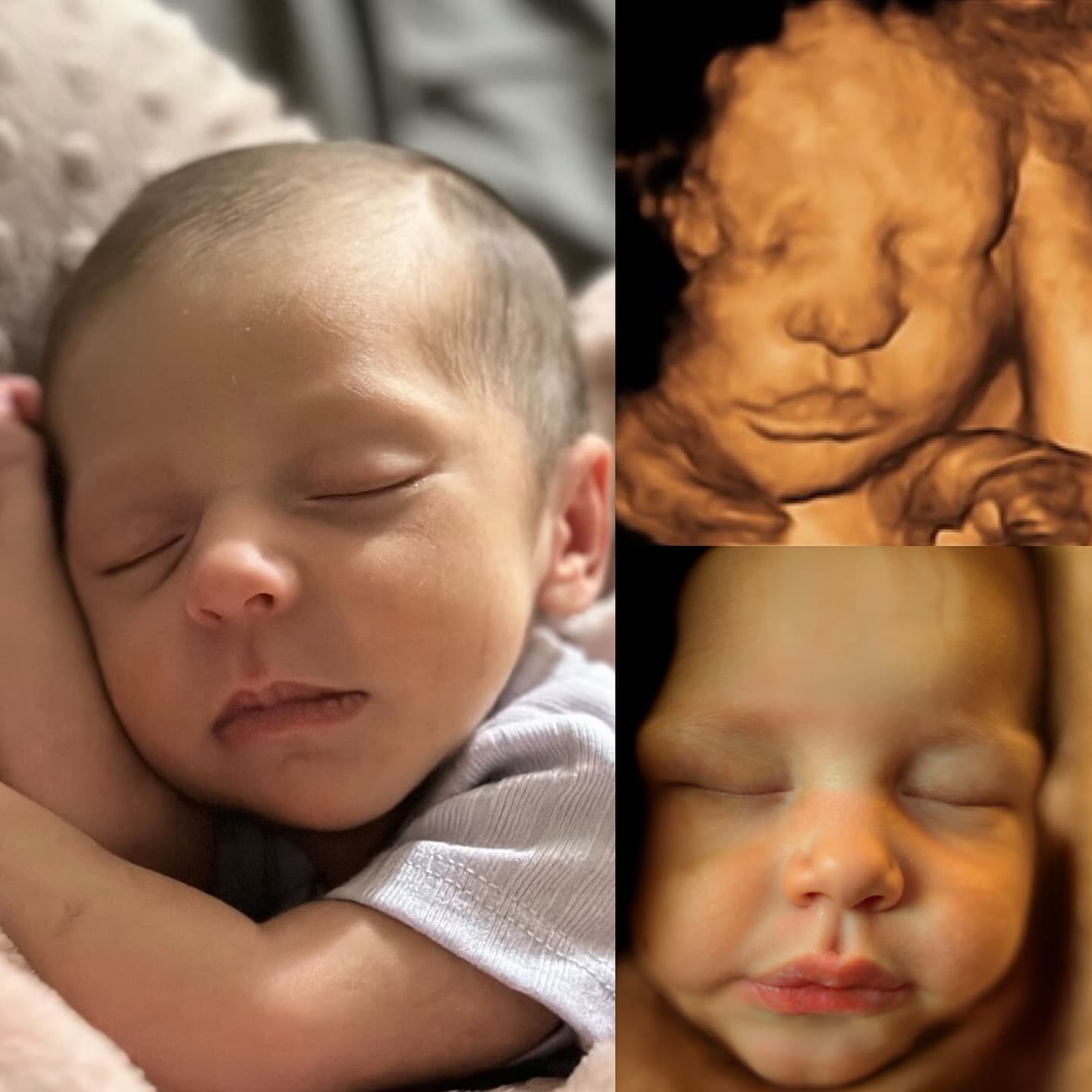
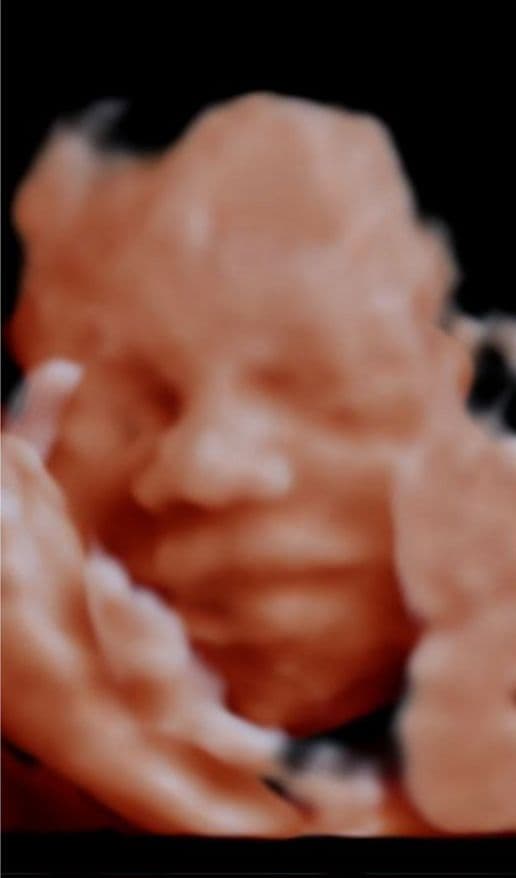
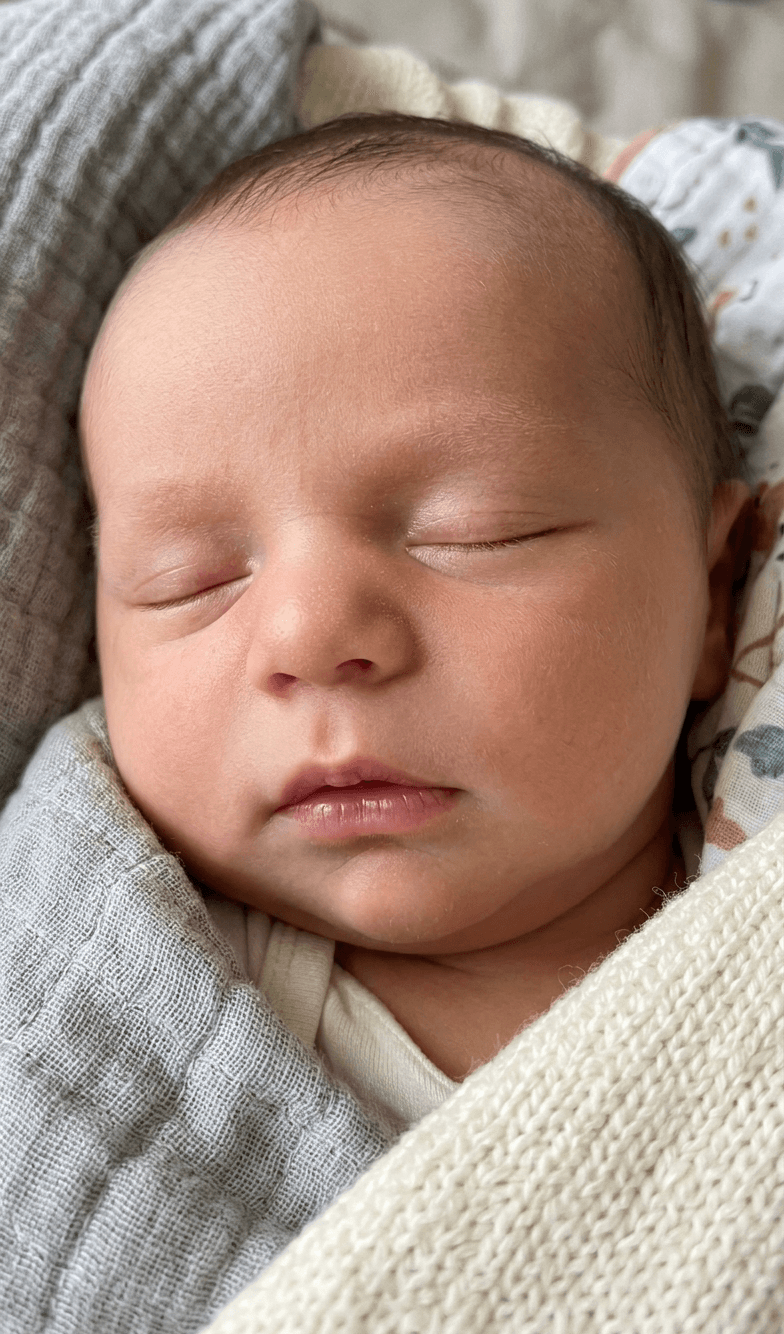
What to Expect
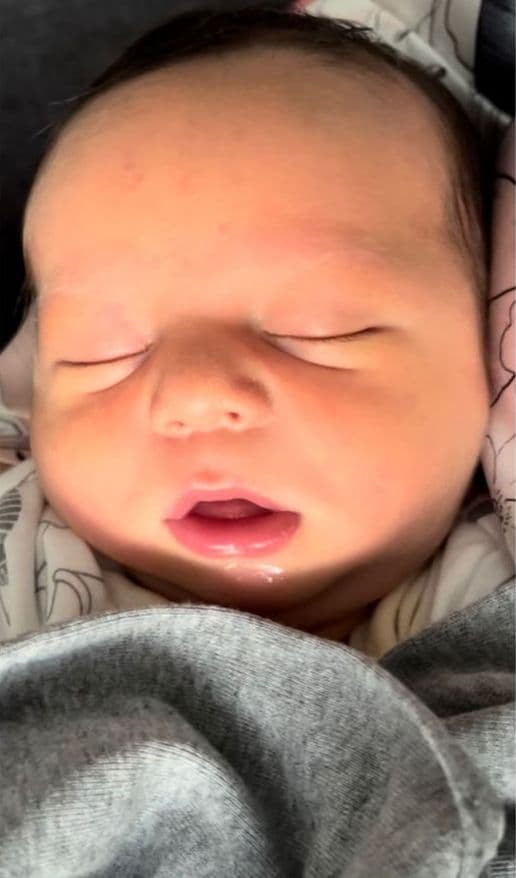
Think of your 8K image as a well-informed portrait rather than a photograph from the future. The face shape and proportions will likely be recognizable. The coloring and fine details may or may not match. Either way, it's a beautiful keepsake that most parents treasure—and the moment you see your real baby, the 8K image will become a fun "how close was it?" comparison rather than a prediction that needs to be right.
Ready to see for yourself? Upload your 3D ultrasound and find out what your baby might look like.
See What Your Baby Really Looks Like
Upload your 3D ultrasound and get realistic baby photos in minutes.